


Couple Flies to China for Lifesaving Cancer Treatment That’s Unavailable in the U.S.: ‘Desperate as Hell’ (Exclusive)
Couple Flies to China for Lifesaving Cancer Treatment That’s Unavailable in the U.S.: ‘Desperate as Hell’ (Exclusive)

Wendy Grossman KantorTue, September 22, 2026 at 5:44 PM UTC
3
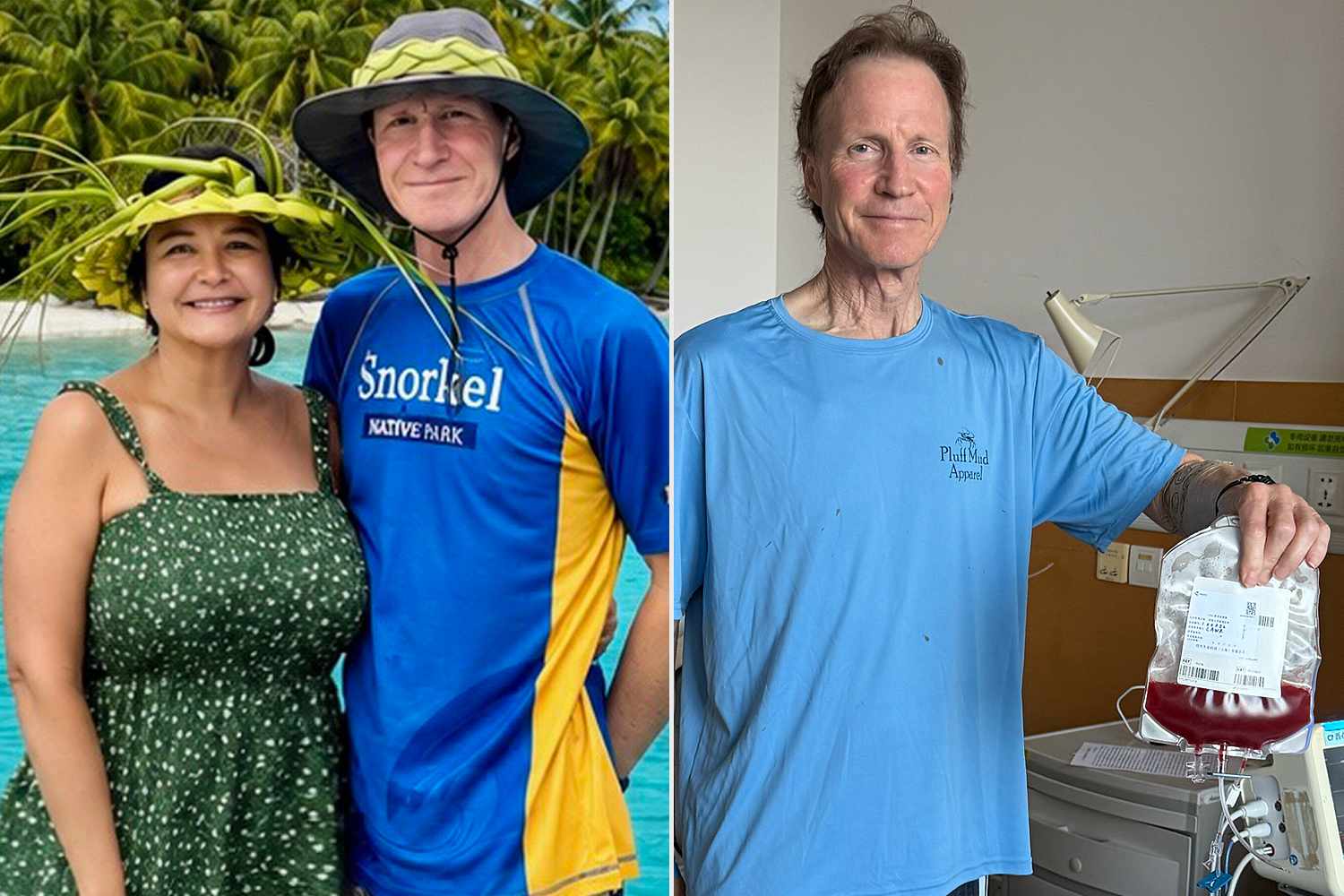
(Left) Jamie and Larry Black in August 2026 in Bora Bora; (Right) Larry Black getting CAR T-Cell Therapy in China in September 2026Credit: Courtesy of Jamie Black -
Larry Black, diagnosed with esophageal cancer, traveled to China for cutting-edge CAR T-cell therapy unavailable in the U.S.
He and his wife, Jamie Black, expect to spend $500,000 on travel, logistics and treatment, which is approved in China for solid tumors but not yet FDA-approved in the U.S.
Jamie hopes the therapy will extend Larry’s life
On Sept. 6, Jamie and Larry Black flew from Los Angeles to Hong Kong after wiring $80,000, a first installment, to a specialty pharmacy in China to receive a cutting-edge cancer treatment in a desperate attempt to save Larry’s life. Given only months to live after his esophageal cancer spread, the couple traveled more than 7,200 miles to a hospital in Shenzhen to receive Satricabtagene autoleucel (satri-cel), a CAR T-cell therapy for solid tumors developed by CARsgen Therapeutics.“This isn’t a vacation, it’s a mission, a desperate mission to save the love of my life,” says Jamie Black, 55. “It still seems crazy that we had to leave the United States and come all the way to China to access this treatment. But when you’re fighting for your life, you go where you need to go.” CAR T-cell therapy (chimeric antigen receptor) is a type of cellular immunotherapy that changes T cells so they are able to recognize and attack cancer. Several CAR T-cell therapies have been FDA-approved in the U.S. to treat blood cancers, but they are not currently FDA-approved to treat solid tumor cancers, like Larry’s. This summer, the Chinese government approved the cellular immunotherapy for solid tumors.
Jamie spoke to PEOPLE’s Wendy Grossman Kantor from her Shenzhen hotel room.
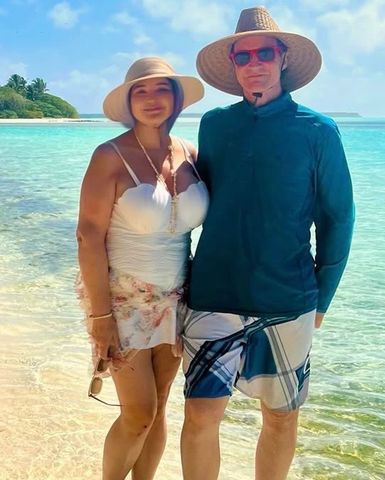
Jamie and Larry Black in August 2026Credit: Courtesy of Jamie Black
About two years ago, Larry said to me, “I feel like at the bottom of my stomach, food is not going down right.” His doctor said it was GERD (gastroesophageal reflux disease) and put him on medication.
I suggested he get a second opinion. A concierge doctor worked in our office building and he said, “I don’t like this. Sounds like angry gut. Something’s not right.”
He ordered an endoscopy in March 2025. I walked in the room following the procedure and I knew immediately something was bad. Larry says, “I got cancer, don’t I?”
The gastroenterologist said he had stage 3 esophageal cancer.
The diagnosis didn’t make sense: Larry is 65, and he has always been fit and active. He climbed Mount Everest. He’s a naturalist, a foodie, someone who cares about his body. He lives a very healthy life. He rode his bike to work. He doesn’t eat seed oils. He never smoked or drank alcohol; he had no vices. He owns commercial real estate and is an accountant.
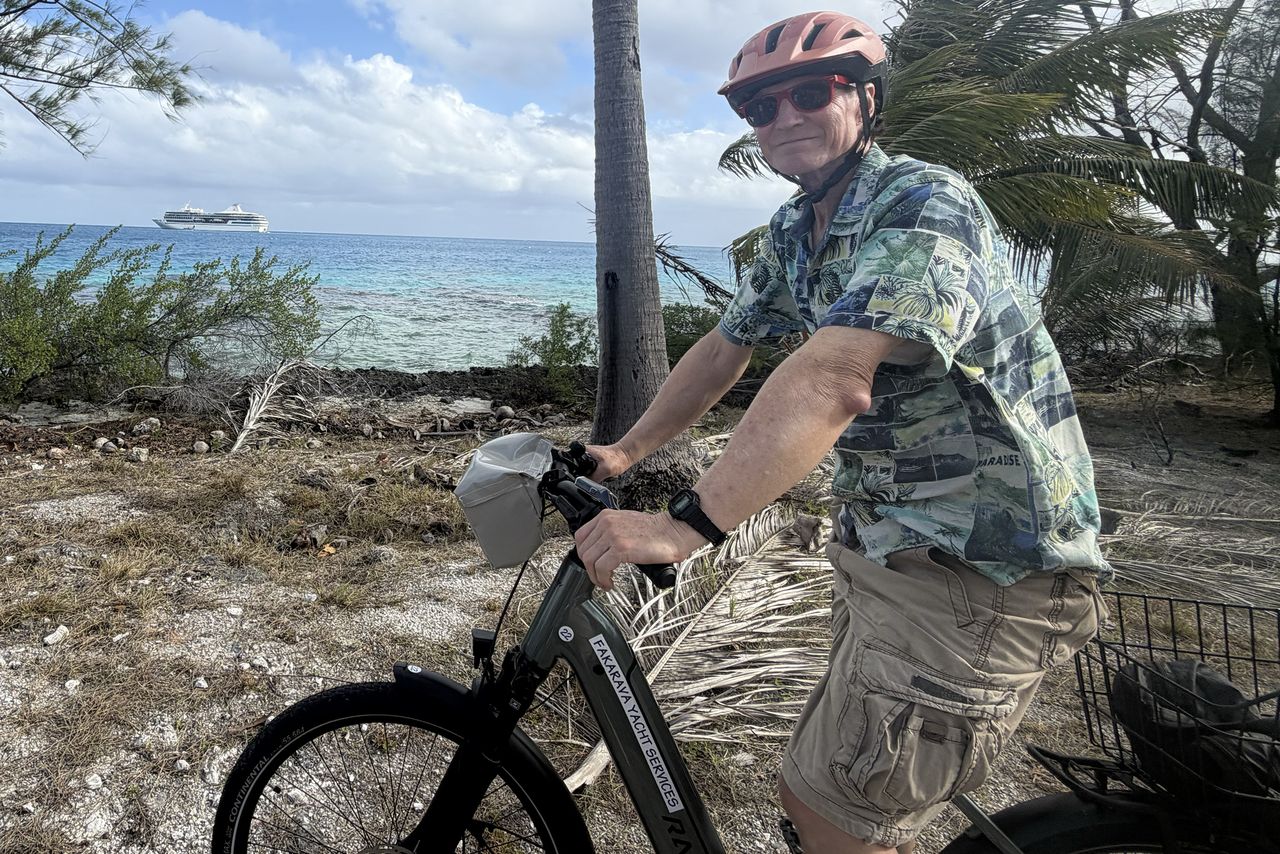
Larry Black in Bora Bora in August 2026Credit: Courtesy of Jamie Black
The cancer was crushing news. Larry is the nicest person. When we met, I was going through a terrible divorce and he saved me. He saved me. The unconditional love that he gave me and my sons (they were 10 and 8 when we met 20 years ago) was unimaginable. We married in June 2009.
After biopsies confirmed the diagnosis, I got opinions from different hospitals: Cedars-Sinai, UCLA, City of Hope, and USC. We went with USC because we just felt comfortable with them. In April 2025, he started FLOT chemotherapy and did four rounds before the tumor shrank enough for surgery. On June 17, 2025, he had an esophagectomy. Doctors said his margins were clear, but they found seven out of 20 lymph nodes were cancerous. They did four more rounds of chemo.
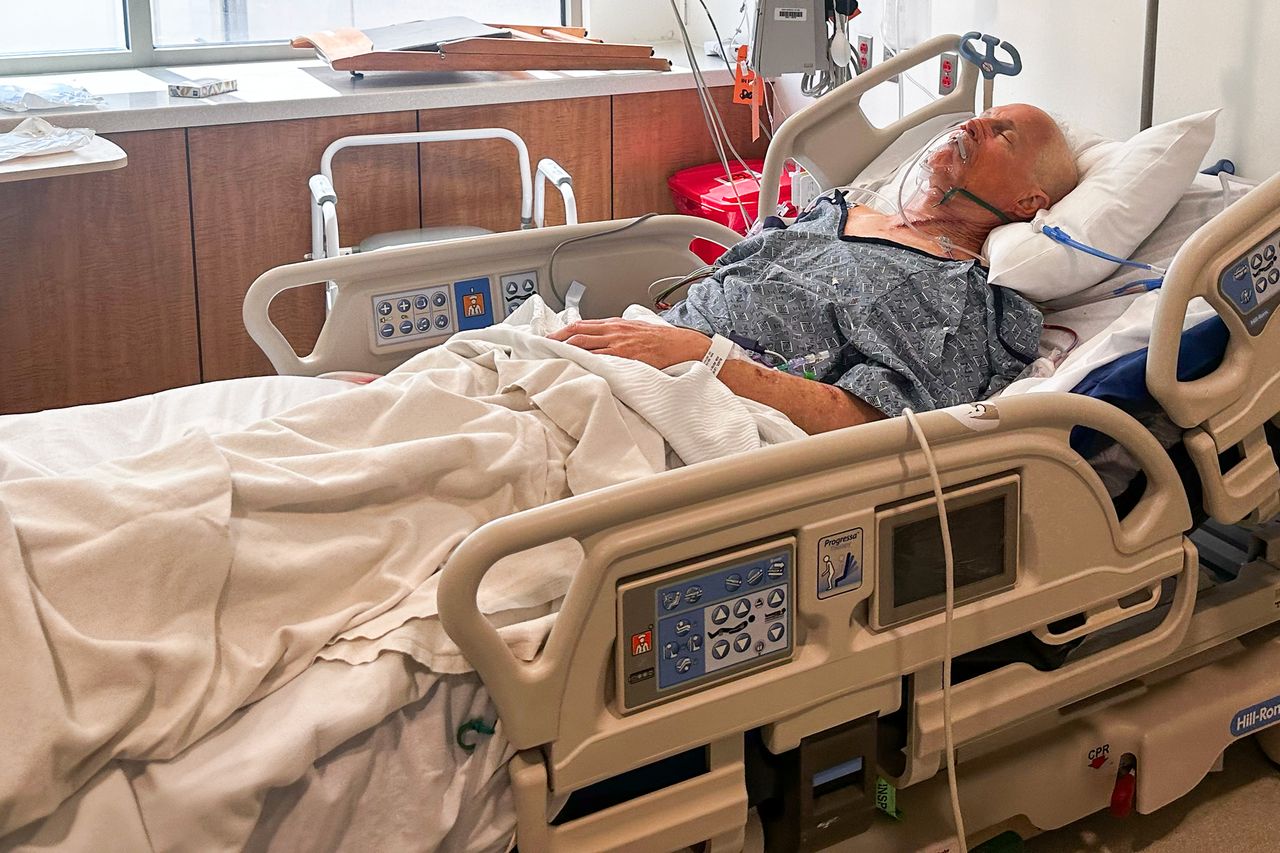
Larry Black on June 17, 2025, the day of his esophogectomyCredit: Courtesy of Jamie Black
Everything seemed to be okay. We got about eight months of no evidence of disease. No cancer.
But earlier this year, in March 2026, he had a PET scan and they saw the cancer had moved to his peritoneum, a membrane lining the abdominal cavity. We went to City of Hope, to a different doctor, and we tried more chemo.
I was doing major research night and day. I was searching TikToks and Facebook and trying to figure out the biology behind his cancer. Why did it happen? What can we do? I was going nuts trying to figure out how to save his life. The chemo wasn’t working.
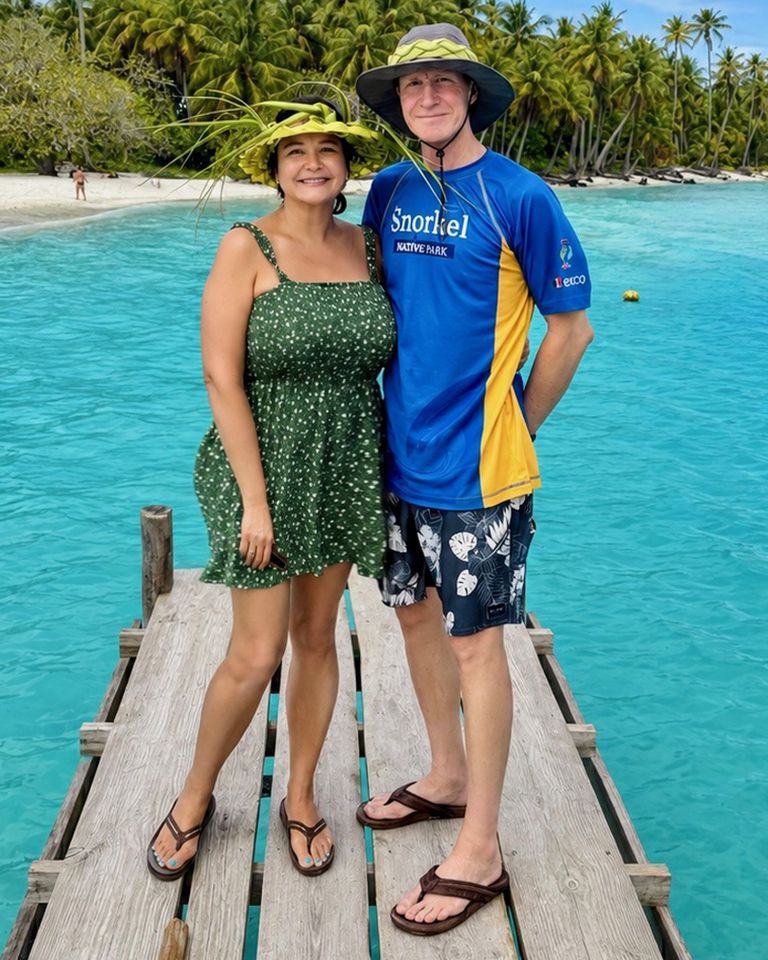
Jamie and Larry Black in August 2026Credit: Courtesy of Jamie Black
I discovered something called CAR T-cell therapy, which is a different type of treatment. A patient’s immune cells are modified by adding a special receptor to their surface, which allows T-cells to better target and help kill cancer cells. I knew that this was working for blood cancers and people were having miraculous results. But for a solid tumor, like Larry’s, it’s very, very new. I found a researcher at USC and called him, and he said, “Well, they, they don’t do it here [in the U.S.]. It’s still in trials. It’s so expensive. And they don’t know how well it works. There’s no guarantee.”
Take PEOPLE with you! Subscribe to PEOPLE magazine to get the latest details on celebrity news, exclusive royal updates, how-it-happened true crime stories and more — right to your mailbox.
But when you have no guarantee of life anyway, what the hell does it matter? We know there’s no guarantee he’s going to live with chemo.
In March, I asked his doctor at City of Hope, “What about CAR-T?” She said, “We don’t know enough about it.”
Instead, they gave him HIPEC, which is basically hot chemo in the stomach.
Chemo in the stomach is hell on earth. It’s barbaric.
He hated the chemo. You get to a certain point with cancer where you’re just living to stay alive for your family, but you have no quality of life. When do you stop? I can’t see him suffer anymore. I said, ‘There’s gotta be something else.’ ”
The treatment in China offered the possibility of a life without suffering from chemo.
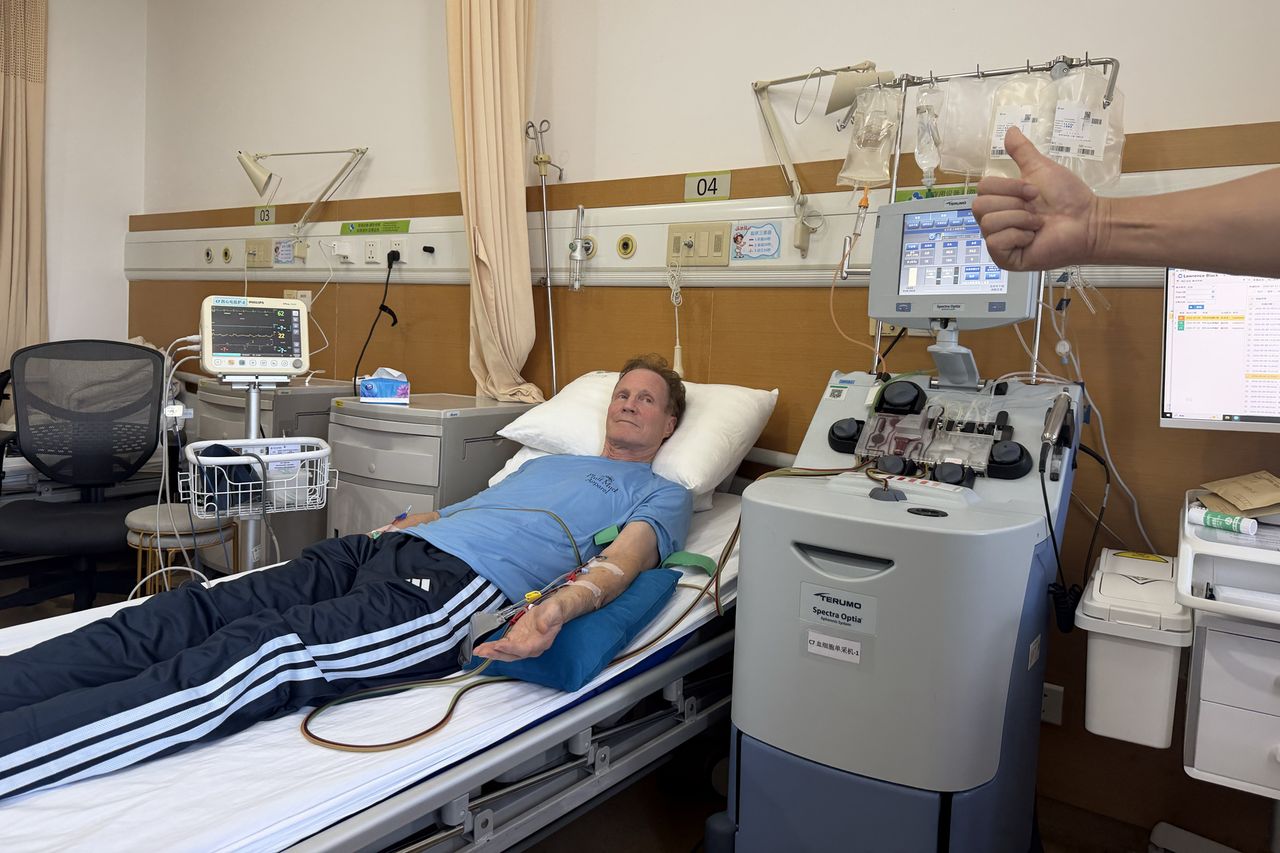
Larry Black receiving treatment in China in September 2026Credit: Courtesy of Jamie Black
There was hope because Larry has a special biomarker — and it’s the right biomarker for CAR T-cell treatment. The biomarker Larry has is called Claudin-18.2 (CLDN18.2).
We learned about the biomarker just a couple months after he was diagnosed in 2025. I did an enormous amount of research to identify targeted therapies and clinical trials. Had we not known Larry was Claudin 18.2 positive, I don’t know that I ever would have found this treatment. I read medical literature and eventually came across the published research on Claudin 18.2 CAR T-cell therapy. Seeing the clinical data in a major peer-reviewed medical journal was important to me because it established that this was legitimate scientific research and not some unproven treatment being advertised on the internet.From there, I found CARsgen Therapeutics, the company behind satri-cel, and eventually connected with Stanley Niu of Gene Medical. He is our medical concierge. It’s kind of medical tourism. Stanley has been our liaison throughout this entire process. I cannot overstate how valuable that has been. Navigating cancer treatment in another country, without speaking the language and with completely different technology, payment systems and hospital procedures, is daunting. Having an English-speaking person help us navigate the process was crucial.
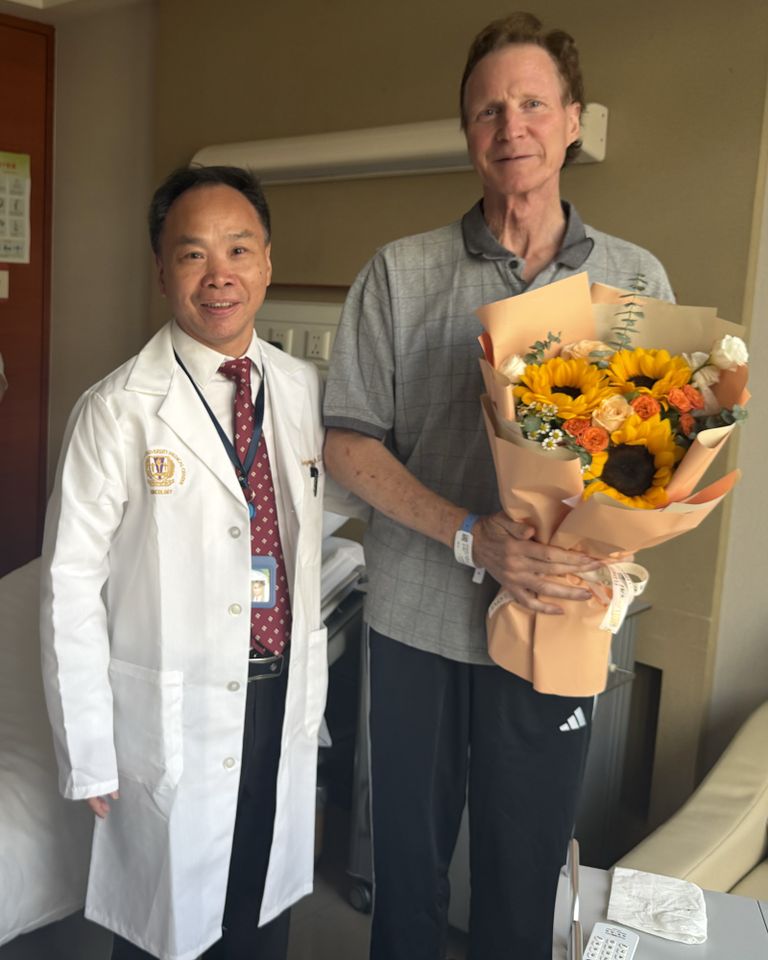
Larry Black, right, with oncologist Dr. Pan Hongming at University of Hong Kong, Shenzen Hospital in September 2026Credit: Courtesy of Jamie Black
I had to put our trust, our money, my husband’s entire 401(k) on the line. Sending money to China is no easy task. I went to three banks and begged them to send the money. The total cost of treatments and travel may be around half a million dollars.
Advertisement
The cost of the first satri-cel treatment is RMB 990,000, which is approximately $140,000–$150,000 in U.S. dollars depending on the exchange rate. The payments are made in installments. The first installment was approximately $80,000. We wired the funds for the treatment to the specialty pharmacy.
Did I know this wasn’t a scam? No. I had no idea. Who could I ask? I had to just go on faith that these people are telling me the truth in China.
There were no other options.
My husband is dying.
Of course, we worried, “Did we just send our life savings to someone we don’t know?” I thought, “Did I just do something really stupid?”
I’m desperate as hell. Nobody sends their life savings to an unknown entity without being desperate. I had faith. I said, “I can’t change what’s going on. I’ve gotta try to find the strength to not be afraid. It’s just money. Money comes and goes, but you only get one life.”
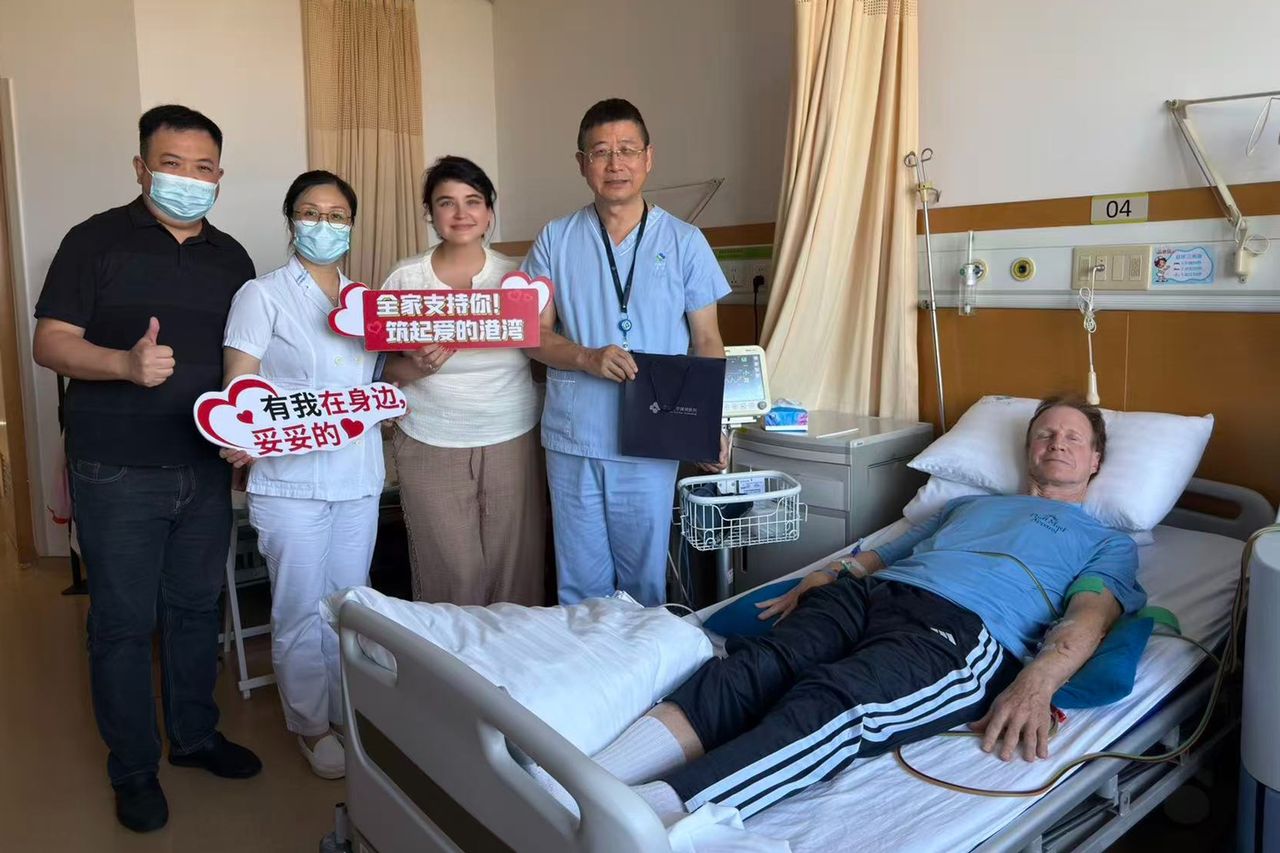
Larry Black in China in September on the day his T-cells were harvestedCredit: Courtesy of Jamie Black
The potential total cost of this entire journey is approaching $500,000. In addition to the initial treatment, we have hospital expenses that could be approximately $30,000, airfare and accommodations for multiple trips to China, follow-up care, and potentially additional infusions. Those could each be roughly $80,000–$100,000.
In order to receive the treatment in China, Larry had to stop chemo treatments in the U.S. for a month. I said to him, “Let’s get out of here.” We went to Bora Bora in early August. It was a bittersweet trip.
We were in paradise, but we cried a lot. Is that our last trip? Because if we didn’t travel to China, his U.S. doctors said he’s only got a few months to live.
This is a Hail Mary. We’re at the end of the game. Either this is going to work and give him some more good time, or this is not.
We flew to Hong Kong, and then traveled to the University of Hong Kong, Shenzhen Hospital. I’m a travel agent, but this is no vacation.
Luckily, when we got here, the medical concierge I had spoken to was there. It’s legit. There’s no doubt about that. We met with all the doctors. They did a series of tests and they said, “Let’s do this.”
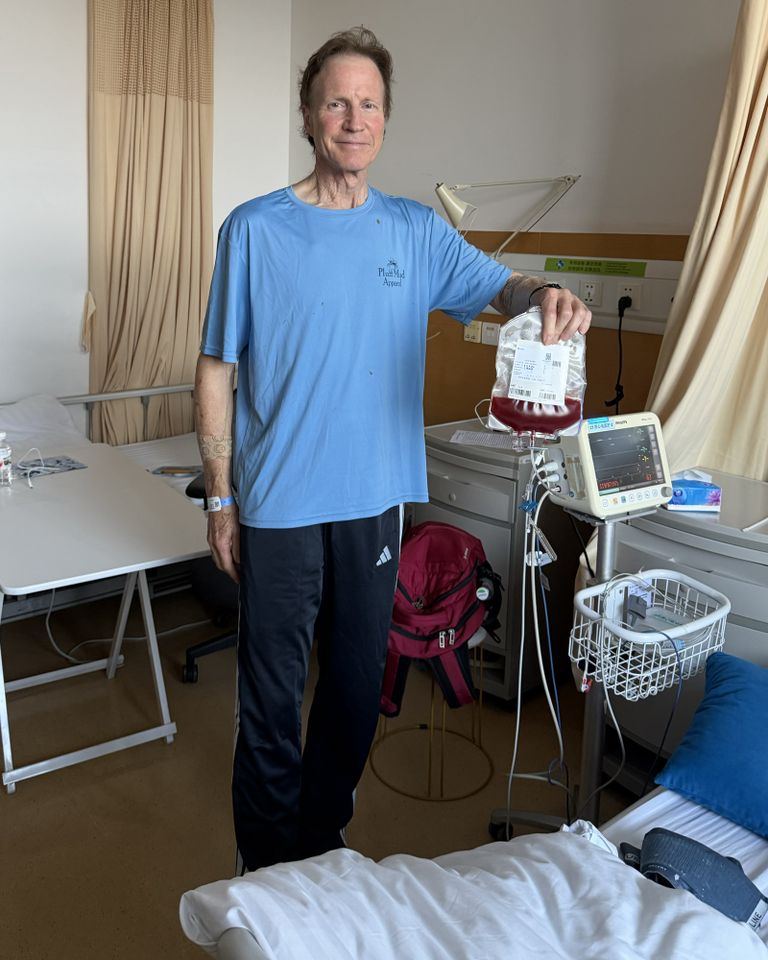
Larry Black holding his Car T-cells in his hand in September 2026Credit: Courtesy of Jamie Black
It took three hours to get the T-cells out of his body. They will take his blood to the lab and supercharge the T-cells. They will infuse it back into the body in about three weeks. That’s where it costs a lot of money. It’s the manufacturing of a T-cell product from his own blood. That is one of the extraordinary things about this treatment—it is essentially a personalized living drug made from the patient’s own immune cells.
Larry said, “Thank God you found this because otherwise I’m gonna die. I thank God. It’s better to have a moment of scary than a life of nothing.”
I don’t know how long we will be here. He could be in the hospital for two to four weeks. I hope to be able to go home for my son’s wedding next month.
An American coming here to do this is so out of the box. We’re pioneers.
This is not even a trial. The Chinese government just approved it in June. This is standard of care in China. This is something they do for the people here. They’re giving it to their citizens to beat this cancer.
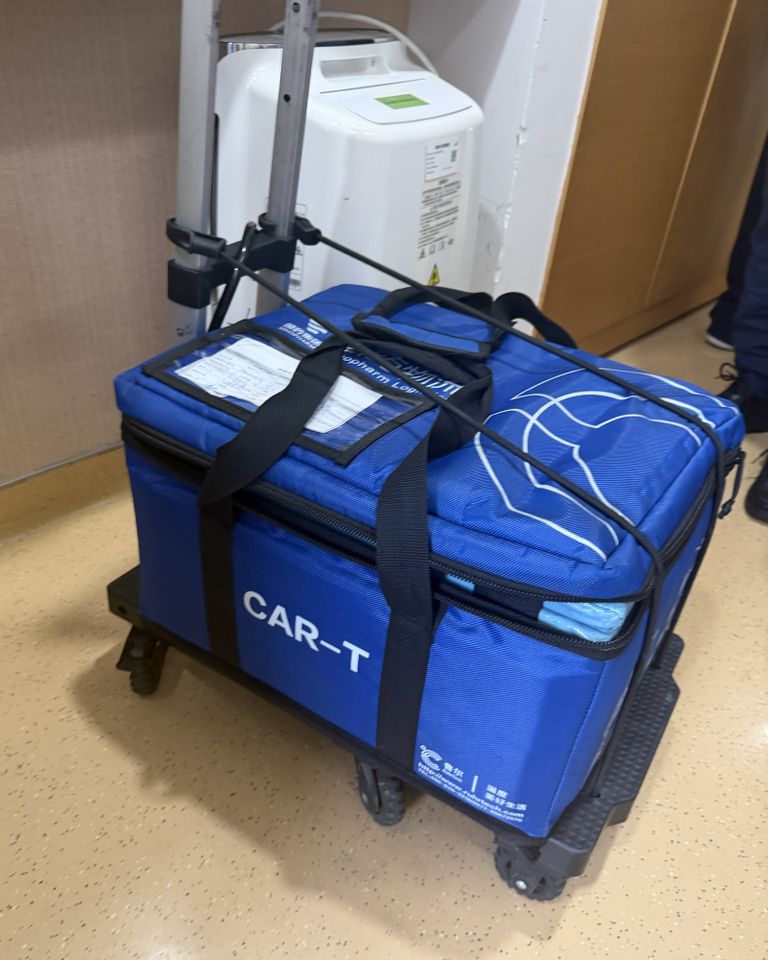
Jamie Black’s T-cells as they awaited transportCredit: Courtesy of Jamie Black
I came to China with hope. Hope that somehow out of all my hours of crying and fear that we’ve found something to give us more time. I don’t expect a cure. I just want quality of life — even if it’s five years without chemo. There’s no quality of life when he’s on chemo. He’s a man who hiked the 2,650-mile Pacific Crest Trail from Mexico to Canada and climbed Mount Everest, over 6,000 feet to Base Camp One. But when you give him chemo, he becomes so sick.
In the hospital in China, we spend the day talking in his room. They don’t have TV or internet. We just talk. We talk about our travels and where we want to go and the trips we want to take.
I have more trips planned and paid for. Will we go? I pray.
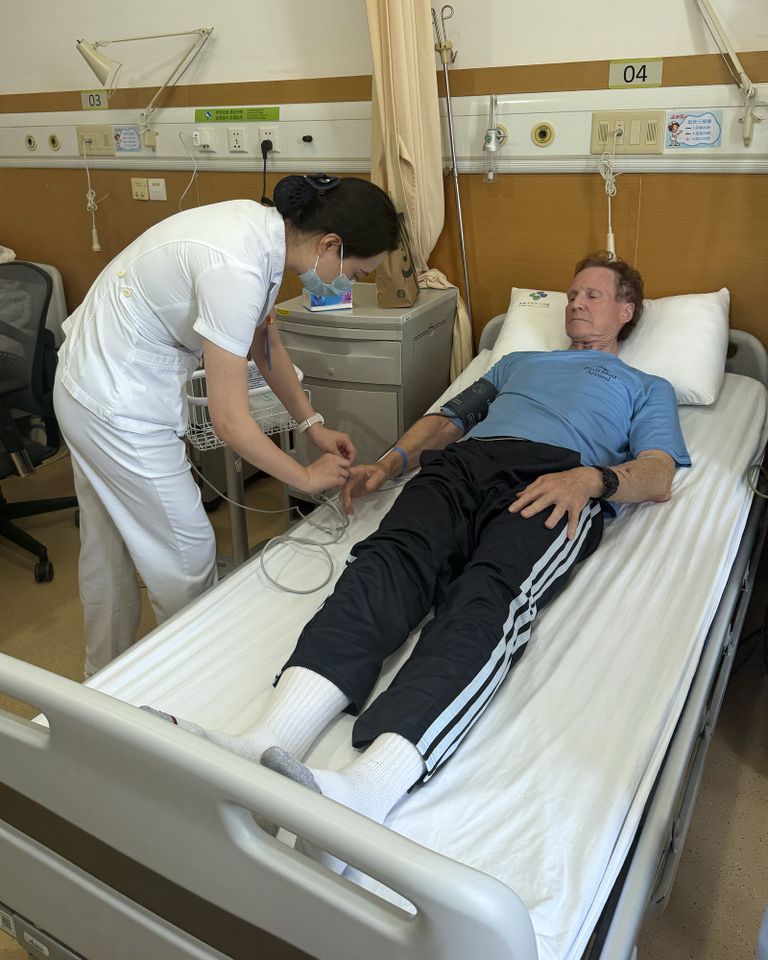
Larry Black receiving treatment in China in September 2026Credit: Courtesy of Jamie Black
Whatever happens from there, it’s in God’s hands. It’s not in my hands. I’ve done everything I can do. I don’t know what else to do.
I want people to know about this treatment. I want them to know there’s something else and not to be afraid to do it. It’s fear that keeps people from trying something different than the standard of care. It may not work, but it wasn’t going to work anyway in the United States.
There was no hope. So I created my own hope.
on People
Source: “AOL Breaking”
